
Top 10 Tips On Assessing The Quality Of Materials Of A Chinese Furniture Maker
This comprehensive guide will assist you in assessing the materials from the Chinese furniture maker, such as OPPEIN.
1. What materials are used?
For starters, become familiar first with the most common materials used in furniture manufacture. Solid wood, MDF, particleboard, MDF, and even laminates are popular options. Each one has its own set of advantages, characteristics, and disadvantages. Solid wood is often the most durable and visually appealing, whereas engineered wood products like MDF are more affordable and versatile. Knowing what to look for will allow you to compare different manufacturers.
2. Verify the certifications
Look for certificates that indicate the safety of the material and the standards. For instance, CARB (California Air Resources Board) is in compliance with formaldehyde in wood products, and ISO certifications that demonstrate the quality of manufacturing management systems could be indicators of a company's dedication to producing high-quality and safe products. These certifications usually guarantee that the materials used not contain harmful substances and meet international standards.
3. Examine the wood's grade:
Find out about the grade when they are using solid wood. The look, the durability and the purpose of use for wood are the main factors that go into grading it. Higher grades (e.g. A or B grades) will have fewer knots and defects, leading to a more aesthetically pleasing finish. Understanding the wood grade can aid in assessing the durability and quality of the furniture.
4. Inspection of Surface of Finishes
The finishes on surfaces have a major influence on the durability and aesthetics of furniture. The best finishes are smooth, even and resistant to staining or moisture as well as scratches. Ask for samples of different finishes to test their look and feel. You can also ask questions about the process of application (e.g., several coats, curing durations) to ensure that they meet the standards you set for them.
5. Check out Hardware Components
Hardware on furniture like handles, hinges and drawer slides play an important contribution to the quality of furniture and its overall functionality. Materials and construction should be taken into account. Hardware that is of high-quality will feel solid and run smoothly, as well as resist wear. Be sure to look for manufacturers and specifications that are renowned for their dependability. For example soft-close mechanisms can be ideal for doors and drawers.
6. Find out more about sustainability and sourcing.
Examine where and how a company sources its raw materials. Sustainable sourcing isn't only beneficial for the environment, but will also indicate the commitment to quality of the company. Find out the source and management of the forests that the wood was obtained. Companies that are committed to sustainability typically are more discerning in their quality standards to protect their image.
Samples of review products:
Request samples of furniture or prototypes you are interested in. You'll be able to examine the furniture and the materials. You should pay careful attention to the design, weight and feeling of the sample. The material must be sturdy and solid and free of any indications of weakness or instabilities.
8. You can inquire questions about the testing procedure:
Ask if the material is tested by the manufacturer to determine its performance and durability. The most reliable manufacturers often conduct tests for wear resistance. Knowing their test methods will help you have more confidence regarding the materials they utilize, because it reflects their dedication to quality control.
9. The transparency of a manufacturer's business:
A reliable manufacturer should be transparent with regards to its materials and manufacturing methods. They should be willing and able to provide specific information on the materials they use as well as their sourcing practices, and any certificates that they have. It could be a sign of poor quality if an organization refuses to disclose the information.
10. Consider feedback from customers and comments
In addition, you should look for reviews and testimonials from previous customers. Reviews on the quality of materials as well as durability and overall satisfaction can give important information on what you can anticipate. Pay close attention to any issues that are mentioned in reviews, including complaints about material quality or praises for durability to gain a better understanding of the manufacturer's overall reputation.
To conclude, evaluating the quality of products made by a Chinese furniture maker such as OPPEIN requires a thorough assessment of various factors such as reviews from customers and certifications. You can make an informed choice by following these suggestions and making sure the furniture you purchase meets your requirements. See the best WPC door company for blog info including home cabinets, storage armoire, kitchen cabinet store near me, modern kitchen units designs, custom kitchen, wood cabinets, cabinet shaker style, kitchen cupboard styles, armoire, modern style kitchen and more.
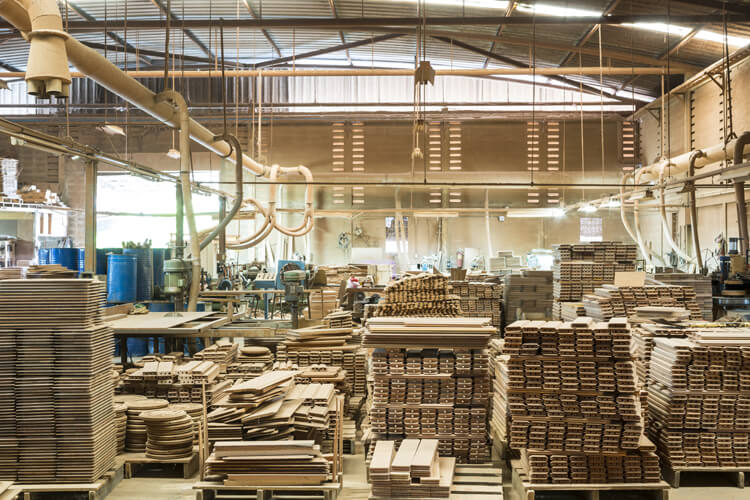
Top 10 Tips To Assess The Lead Times And Production Capability Of A Chinese Furniture Manufacturer
This is a comprehensive guide to evaluate lead times and production capacities of the Chinese furnishings manufacturer, like OPPEIN. Especially when you're thinking about custom-made furniture, such as cabinets, closets etc.
1. Request Detailed Production Schedules:
Start by asking the manufacturer to provide an exact schedule of production. These should include timeframes for each phase of the manufacturing process, from raw material sourcing to final assembly and delivery. Knowing their timeline will help to determine whether they have the capacity to keep your deadlines for the project.
2. Inquire About Standard Lead Times:
Ask the manufacturer for their typical lead times for different kinds of furniture. The lead times for furniture products will differ greatly based on their complexity, the degree of customization and the volume of orders. You can determine the vendor's ability to deliver your order quickly by determining the lead time for the item you're looking at.
3. Assess the capacity to manage large orders:
It is important to assess the manufacturer's ability to manage massive orders. Particularly if the project is large, like outfitting a hotel or an apartment complex. Ask about the production capacity that is maximum for each product line, and also if they can boost production during times of increased demand.
4. Understanding the effect of customization on lead times:
Ask the manufacturer how they handle this. Customizations can extend lead times. A typical custom order will require longer time than regular orders. A company that communicates clearly the effects of customizing lead time is transparent and reliable.
5. Evaluate Flexibility in Production Scheduling:
Inquire about the manufacturer's flexibility in the process of adjusting production schedules. The timeframes for projects can alter at any moment, and the manufacturer must be able to adapt to the changing requirements. A manufacturer who is able to adapt the lead times and prioritize urgent orders can better meet your changing requirements.
6. Examine the effectiveness of Workflow and Process:
The efficiency of manufacturing processes. Check out the manufacturing workflow, automated manufacturing and lean manufacturing techniques. A manufacturing company that employs efficient processes and advanced technology is likely to be able to provide faster lead times and a greater capacity for production. This will enhance the overall experience.
7. Check the capacity of backup production
You should be aware of what contingency plan the company has in place for unexpected events, such as the breakdown of equipment or a disruption in supply chain. You can ask whether they're able to make products in a different capacity or have alternative suppliers. A manufacturer who has robust contingency planning is better equipped to deal with unforeseen issues and not affect the lead time.
Review past performance metrics:
Get information on the past performance of the company in relation to lead times production capacity, lead times, and other variables. This might include information regarding their lead times for various product types, on-time delivery rates, as well as any previous trends in production capacity. The information you study will give you an understanding of their reliability and accuracy.
9. Examine Communication During Production:
Effective communication during the production process is critical. Ask how the company informs its customers of the progress of orders. An open communication line between the customer and the manufacturer is a sign of their commitment to their services. This will help you set expectations for your project.
10. Get references from previous clients
Ask for references from clients who have worked with the manufacturer for a similar project. Reach out to these clients to find out their experience with regards to timelines and production capacities. Positive feedback is a great method to assess the commitment of a business and its ability.
In conclusion, assessing the timelines and production capacities of a Chinese furniture manufacturer such as OPPEIN requires an in-depth examination of production schedules, flexibility process efficiency, and client feedback. You can ensure that the company meets your needs and timeframes by following these guidelines. See the top bathroom vanity manufacturers for blog advice including custom kitchen cabinets, modular kitchen cupboard, kitchen unit manufacturers, walk in closet design, modular kitchen cabinets, kitchen cabinet design, large wardrobe closet, open cabinets, kitchen cupboard design ideas, contemporary kitchen ideas and more.
